Kids with autism often notice they're different before anyone tells them they have autism. There's no set age. Many teens with autism say the feeling goes back as far as they remember. School can sharpen it, since all kids start sizing up their work against classmates' around first grade.
How much it hurts depends partly on how they found out about their autism, and on the people around them.
Do children with autism know they are different?
Many do, but not all. In a 2026 study of 18 teens with autism, 8 didn't feel especially different. Others had felt it for years. One teen, diagnosed at 14, said: "I have always known I was different... it confirms something I already knew."
Whether a teen felt different depended a lot on who they compared themselves with. One teen in special education was asked whether using the school's quiet playground made them stand out. "Me and my friends, we all go there." In that school, it was ordinary.
Comparing also goes quiet with age. Researchers who listened in on classrooms found older kids did less of it out loud. So if your 10-year-old has gone quiet about being different, that doesn't mean they've stopped noticing.
What it looks like when feeling different hurts
Because kids rarely say "I hate feeling different," the hurt shows up in what they push away. A school-age child may not let the aide sit next to them. They may beg to skip the group that pulls them out of class. The picture schedule comes off the fridge the day a friend comes over. Then come the words: "I don't have autism." "I just want to be normal."
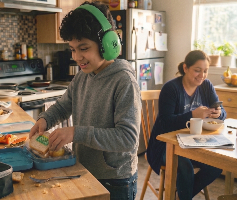
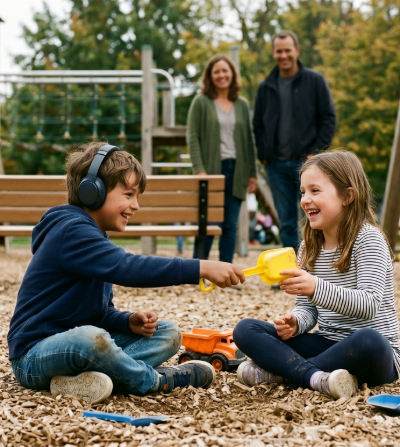
A younger child, or one who needs more support, may never say any of it. The headphones come off, or the tablet they talk with gets pushed away, only when other kids are near. Teens and young adults may skip anything with "autism" in its name. An adult may turn down the job coach.
Many kids also mask. Masking means hiding signs of autism to fit in: forced eye contact, practiced lines, holding still when the body wants to rock. One teen put it simply: "I try to laugh less exaggeratedly, just trying to laugh normally."
Masking takes a lot of energy. In a 2022 study, teens with autism who masked all day at school said it all came out once they got home. Our piece on what an autism meltdown is explains why home is where it lands.
The cost can go past tired. Across 733 kids and teens with autism, those who masked more had more anxiety, low moods, and aches and pains. Teens with autism also tend to have lower self-esteem than other teens, and low self-esteem goes with depression.
If your child seems down most days, or stops enjoying what they used to love, tell their doctor.
Why being different hurts some kids with autism more than others
Two things seem to help, and you have a hand in both.
The first is finding out early, in a way that feels good. It seems to pay off for years. In a 2023 study of 78 college students with autism, those who learned about their autism younger felt happier about their lives as adults. Not one of them said parents should wait until a child is grown to tell them.
The second is time with people they don't have to hide from, like other kids with autism. One teen in the 2022 study put it plainly. Being around others with autism gives you "more energy because you're not spending so much on putting on an act."
Won't go near anything called autism? Start with what your child loves instead, like a game night or a robotics club. Our list of activities where kids with autism meet other kids has more places to start.
How to tell your child they have autism
Tell your child soon after the diagnosis, in words they can follow. That's the advice of 126 adults with autism who were asked how parents should do it. Knowing the word had helped them make sense of feeling different and let go of shame. They also suggested:
- Use their own life. Name things they already know about themselves, like the noise that wears them out or the subject they know everything about. Then tell them those are part of their autism.
- Keep it neutral or good. Name their strengths along with the hard parts.
- Come back to it as they grow. One big talk won't cover it.
Teens in the 2026 study didn't agree on the best age. Some said 7 or 8, and some said around 12, depending on the child. Several warned that keeping it a secret can make finding out later a shock.
We'd add one more: tell them before someone else does. A word your child first hears from a classmate is a lot harder to feel good about.
Help that doesn't make your child feel different
Help that singles a child out in front of other kids is the kind they often push back on. In a 2024 study, 14 young adults with autism looked back on the aide who sat with them through high school. Some said the aide got in the way of time with classmates. The study's advice: let students help choose their own support.
If the aide is the sore spot, ask the IEP team whether the aide can step back. The IEP team is the group that writes your child's school plan. Bring your child to that meeting if you can, so they get a say.
Outside school, the help these kids will take looks a lot like the people they don't have to hide from. Look for:
- One adult your child likes.
- A start with what your child already cares about, like a video game or drawing.
- Sessions at home and around town, away from school.
In California, your Regional Center can pay for help with everyday skills at home and out in the community. The Regional Center is the California agency that serves people with autism and similar disabilities. The service is called adaptive skills training. For a teen or young adult, that might be the bus route to the place they most want to go. If your child isn't a Regional Center client yet, the eligibility check comes first.
The hard part is the person. They have to be someone your child likes. They have to show up every week, start where your child is, and know when to step back. And your child has to want them to come back.
Finding that person is our job. Whoever we send is a caring professional, a master's-level clinician with 9.3 years of experience on average. We'd match them to your child because they've already helped people who pushed help away. Your child would see the same person every session, for $0 through your Regional Center. Weigh whether adaptive skills training fits a kid who hates standing out.
Worried your child will hate a stranger, or feel even more different? Teens with autism in the 2022 study hid least around people who knew about their autism and shared their interests. That's the match we look for. Our professionals lead with the relationship, starting with what your child already loves and building the skill inside it. To most kids, it doesn't feel like work. If the match isn't right, we'll find someone who fits better.
For Regional Center clients, your child's goals go in the IPP, the written plan that lists their Regional Center services. California law says those goals should be based on your child's own needs, preferences and life choices. So ask your child what they want to be able to do on their own. Bring their words to the IPP meeting.
Questions parents actually ask
My teen says they just want to be normal. What do I say?
Don't argue with the feeling. Ask what "normal" would get them, like friends or not being stared at, and work on that together. Then name one thing they're great at that comes with the way their brain works.
Should I wait until my child is older to tell them they have autism?
No. In a 2023 study of 78 college students with autism, those who found out younger were happier with their lives as adults. Start small and add more as your child grows.
My child says "I don't have autism." Should I push the word?
No. Skip the label for now and talk about the real things, like what wears them out and what they're great at. The word means more once it explains things your child already knows about themselves.
Is there a mentor or life coach for teens with autism?
Yes. If your teen wants a coach more than a therapist, look at adaptive skills training. It's help with real-life goals, at home and out in town, and it's $0 for Regional Center clients.
Is our IHSS or respite on the line if we try adaptive skills training?
No. Adding it won't bring down IHSS or respite. When a county figures IHSS, it can't count the help the Regional Center gives your child. That rule comes from the state. Read it here.